
Choosing between UBC Vancouver and UBC Okanagan (UBCO) isn’t easy. Both campuses are part of the University of British Columbia and offer the same respected degree, yet each provides a different student experience shaped by its academics, campus environment, costs and community. This guide lays out the key differences so you can decide which campus is the better fit for you.


UBC Vancouver is the flagship campus of the University of British Columbia and a member of Canada’s U15 group of research‑intensive universities. It offers 17 faculties, 15 schools and 4 colleges, delivering around 212 undergraduate and 202 masters programs and 107 doctoral programs. The School of Graduate Studies lists over 300 graduate program options, highlighting the breadth of disciplines available.
In global rankings, UBC consistently places among the world’s top universities. The Times Higher Education World University Rankings 2025 placed UBC 41st globally and second in Canada, while its Engineering & Technology ranking placed UBC 49th globally. The QS World University Rankings 2025 ranked UBC 38th worldwide. Within Canada, Maclean’s ranked UBC Engineering second in the country. These accolades reflect UBC’s strong research output and its reputation for excellence across sciences, engineering, health disciplines, arts, business and law.
Because of its size and funding (over CAD 892 million in research funding according to UBC’s facts page), UBC Vancouver offers abundant research opportunities. Students can participate in co‑operative education programs, undergraduate research awards and experiential learning placements. Signature programs include the Sauder School of Business, the Faculty of Applied Science (engineering), the Faculty of Science (with strengths in oceanography, forestry and computer science) and the Faculty of Arts. Professional schools such as medicine, law and architecture are located on the Vancouver campus.
UBCO opened in 2005 as a purpose‑built campus to expand UBC’s presence in the interior of British Columbia. It comprises 9 faculties and schools and offers 66 undergraduate programs and 61 graduate programs. UBC Magazine reports similar numbers: 66 undergraduate and 58 graduate programs. Programs span arts, sciences, engineering, nursing, education, management and health & exercise sciences.
While smaller than the Vancouver campus, UBCO has grown rapidly. It serves around 10,523 undergraduates and 1,268 graduate students. Its student‑to‑faculty ratio of 24:1 means classes are generally smaller. UBCO focuses on interdisciplinary teaching and research; for example, the School of Engineering integrates civil, electrical and mechanical engineering streams within one program. Research capacity is rising—UBC’s Master of Data Science site notes $19.9 million in annual research funding and 1,247 research projects. Kelowna’s 639 tech businesses and the CAD 35‑million Okanagan Centre for Innovation provide opportunities for experiential learning and partnerships.
UBC Vancouver offers far more programs (over 212 undergraduate and 300 graduate options) across a wider range of disciplines. UBCO’s 9 faculties provide a strong but smaller selection (66 undergraduate and 61 graduate programs). Students interested in niche fields like law, medicine or architecture must attend Vancouver.
Vancouver’s larger faculty body and research funding (~CAD892million annually) enable cutting‑edge labs, start‑up incubators and numerous research opportunities. UBCO’s research funding is smaller but growing—its focused environment allows undergraduates to participate directly in research projects.
Global rankings evaluate UBC as a single institution. UBC Vancouver generally benefits more from these rankings because of its size and visibility. However, a degree from UBCO confers the same UBC credential and is recognized globally. UBCO’s smaller classes and integrated programs appeal to students seeking an intimate yet credible academic experience.
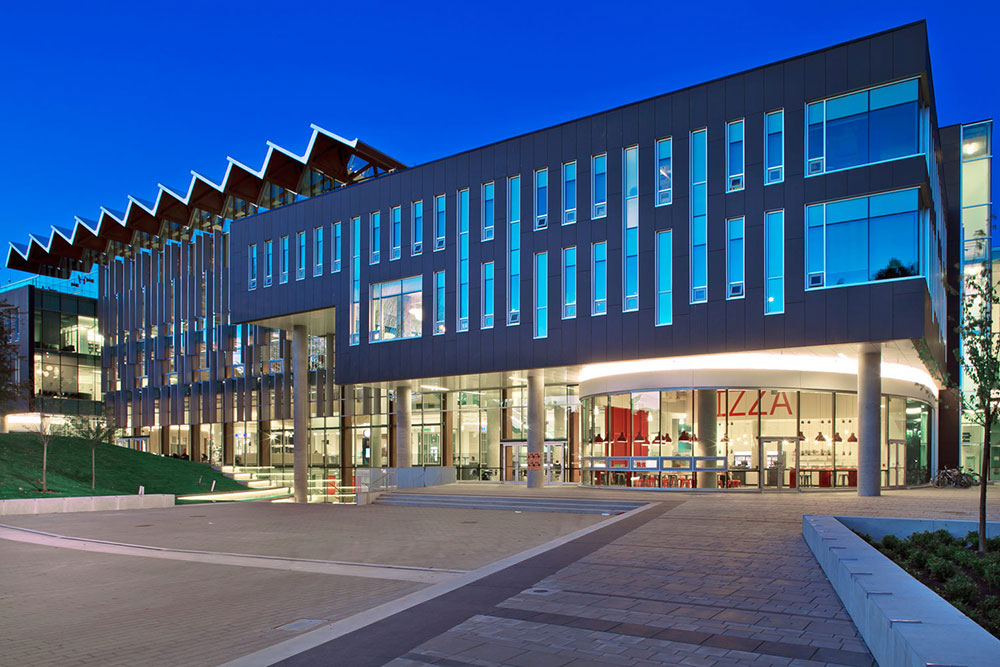

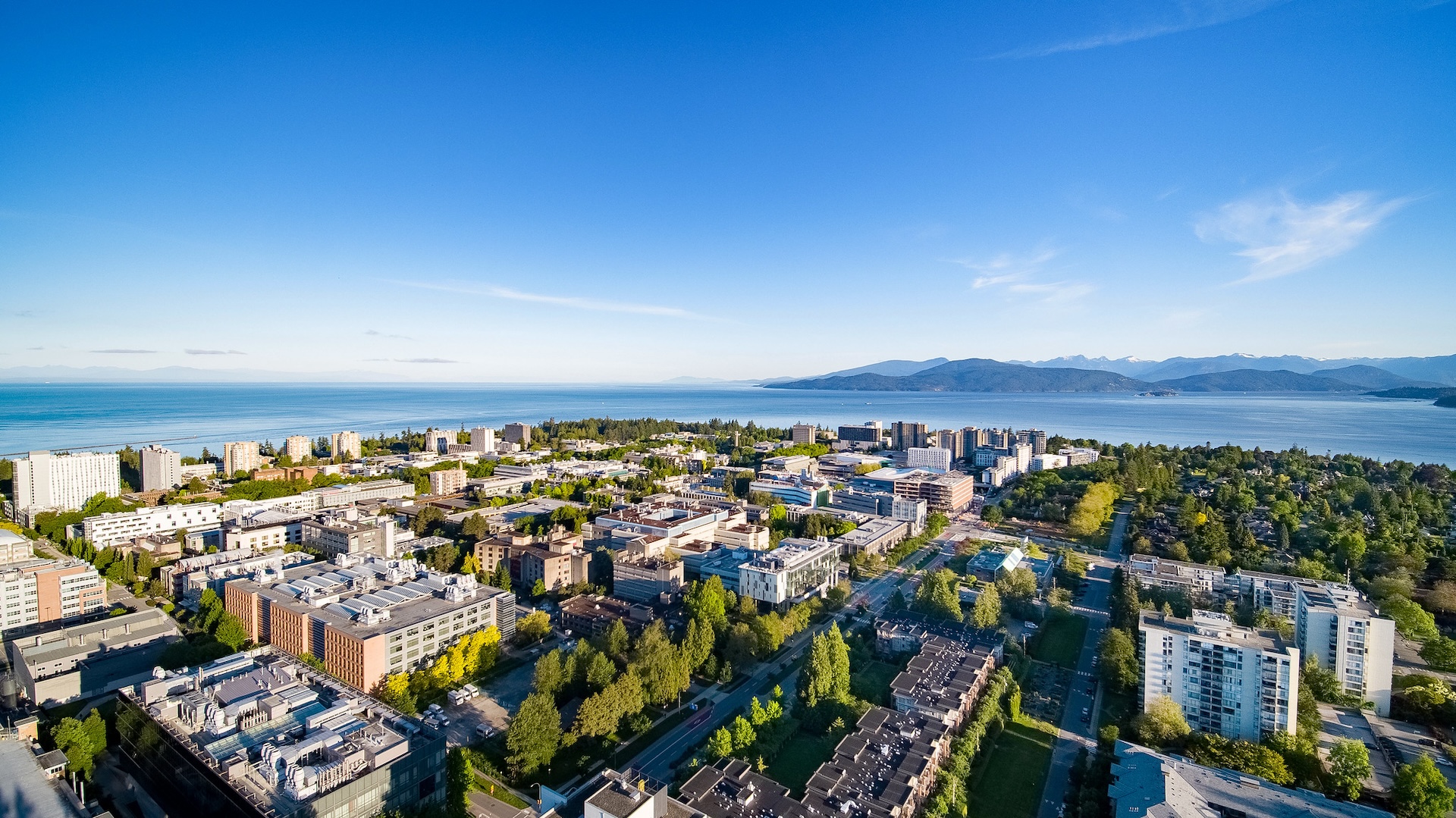
UBC Vancouver sits on the western tip of the Point Grey Peninsula. The campus covers over 400 hectares and is surrounded by forest and ocean. It is about a 30‑minute bus ride to downtown Vancouver. Students have access to beaches, trails and Pacific Spirit Regional Park, along with cultural attractions such as the Museum of Anthropology, the Chan Centre for the Performing Arts and botanical gardens. The city of Vancouver offers a cosmopolitan lifestyle with restaurants, nightlife and employment opportunities, but it also has high living costs—one‑bedroom rents averaged CAD 2,500 per month in 2025.
The Vancouver climate is moderate with wet winters and mild summers; students can ski on nearby mountains and sail in the same day. The campus is large and bustling—undergraduates may find first‑year classes with hundreds of students. There are over 350 AMS‑affiliated clubs covering everything from robotics and debate to dance, plus extensive athletic facilities and varsity teams.
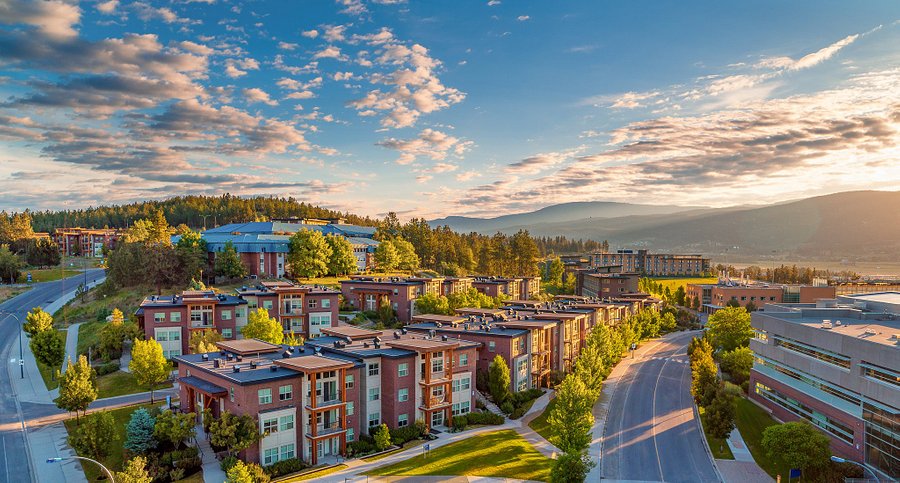
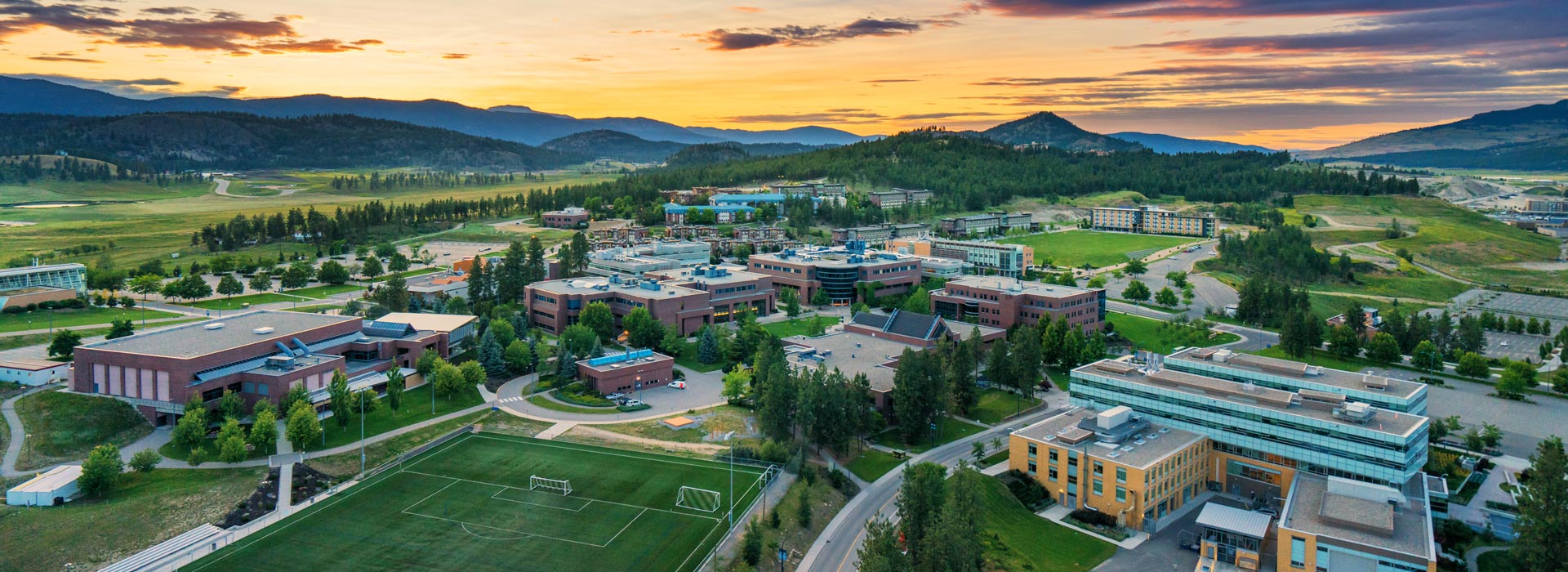
UBCO occupies a hillside site in Kelowna overlooking the Okanagan valley. The region enjoys hot, dry summers and relatively mild winters. Students are “simultaneously surrounded by spectacular natural beauty… and at the centre of an urban hot spot”—they can cycle or snowboard in the morning and explore Kelowna’s wineries or beaches in the afternoon. The campus community is tight‑knit; students have easier access to professors and fewer crowds. It offers 11 residences with about 2,120 beds and 138 student clubs/course unions.
Kelowna’s cost of living is lower than Vancouver’s. The BC Living Wage report lists Kelowna’s living wage at CAD 25.95 per hour compared with CAD 27.85 in Metro Vancouver. UBCO’s facts page highlights that the median rent for a two‑bedroom apartment in Kelowna is 20 % cheaper than Vancouver. An April 2025 rent report found Kelowna’s median one‑bedroom rent at CAD 1,850 versus CAD 2,500 in Vancouver.

UBC sets tuition centrally, so many domestic undergraduate programs at both campuses cost roughly CAD 6,200 per year for a standard 30‑credit load (≈CAD206.69 per credit). International tuition differs by cohort; students beginning in 2026 pay approximately CAD 51,500–53,600 per year (≈CAD1,700–1,770 per credit). Professional programs such as engineering, commerce and computer science have higher rates at both campuses. Prospective students should consult the UBC Academic Calendar for program‑specific fees.
Living expenses vary dramatically between Vancouver and Kelowna. MetroVancouver’s high housing demand means one‑bedroom rents reached CAD 2,500 per month in 2025, while Kelowna’s median one‑bedroom rent was CAD 1,850. The BC Living Wage report reflects this difference: MetroVancouver’s living wage was CAD 27.85 per hour and Kelowna’s CAD 25.95. UBCO’s facts page notes that a two‑bedroom rental in Kelowna is 20 % more affordable than in Vancouver. Groceries and transportation are also cheaper in Kelowna, though goods options may be more limited.

Broad program choice: With 212 undergraduate programs and over 300 graduate options, students have a wide range of academic paths and flexibility to change majors.
Strong global reputation and research environment: UBC is ranked 41st globally and second in Canada by the Times Higher Education 2025 rankings and 38th globally by QS 2025. Its large research funding (≈ CAD 892 million) translates into access to cutting-edge labs and research opportunities.
More affordable living: Kelowna’s median one‑bedroom rent was CAD 1 850, and its living wage was CAD 25.95 per hour, while the median two‑bedroom rent is roughly 20 % cheaper than Vancouver.

High cost of living: Vancouver’s median one‑bedroom rent was about CAD 2 500 in 2025, and the living wage was CAD 27.85 per hour, making day‑to‑day expenses significant for students.
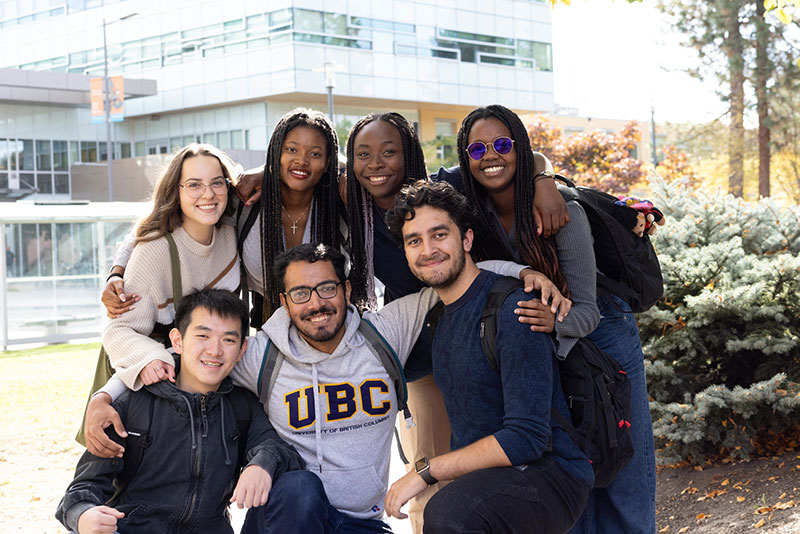
Large classes and impersonal feel: The campus serves more than 59 000 students. Introductory courses often have hundreds of students, which may not suit those seeking close mentorship.
Competitive admissions: UBC Vancouver’s acceptance rate for the 2024/25 cycle was 62.8 % with entrance averages around 89–91 %. Applicants may face stiffer competition compared with UBCO.
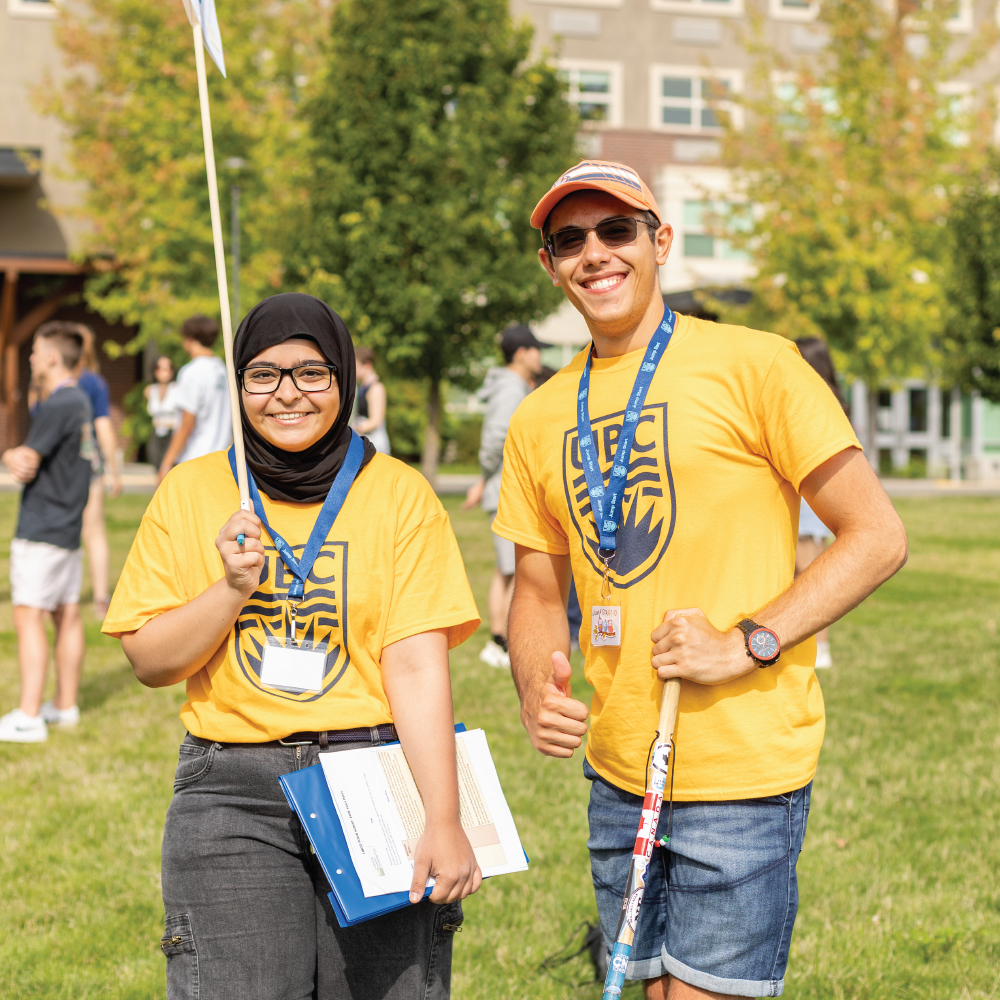
Close‑knit learning environment: The campus hosts around 11 748 students with a 24:1 student‑to‑faculty ratio. This leads to smaller class sizes and more personal interaction with professors.
More affordable living: Kelowna’s median one‑bedroom rent was CAD 1 850, and its living wage was CAD 25.95 per hour, while the median two‑bedroom rent is roughly 20 % cheaper than Vancouver.
Outdoor lifestyle and emerging tech scene: Students can enjoy lakes, mountains, and recreational activities. Kelowna hosts around 639 tech companies contributing CAD 1.3 billion to the economy, offering internships and co‑op opportunities in a growing industry.
Limited program selection: UBCO offers 66 undergraduate and 61 graduate programs, so students seeking specialized professional degrees (medicine, law, architecture) must look elsewhere.
Smaller campus community: With about 138 clubs and course unions, UBCO has fewer extracurricular options and a smaller alumni network compared with Vancouver.
Lower global visibility: UBCO shares UBC’s ranking but isn’t ranked independently; its research funding (≈ CAD 19.9 million) is modest compared to the Vancouver campus, potentially affecting prestige and research opportunities.
UBC Vancouver and UBC Okanagan are part of the same university system and share the prestige associated with the University of British Columbia. The Vancouver campus offers the broadest selection of programs, abundant research funding, and a bustling campus life in a major city. It is ideal for students seeking a globally recognized degree, diverse academic options and an urban lifestyle—but they must be prepared for high living costs and competitive admissions.
UBC Okanagan provides a more intimate and supportive learning environment with smaller classes, lower living costs and proximity to outdoor recreation. It is well suited for students who value tight‑knit community, interdisciplinary study and a balance between academics and lifestyle. However, some specialized programs and research facilities are only available in Vancouver.

No. Degrees from UBCO are awarded by the University of British Columbia and carry the same accreditation and prestige. Global rankings evaluate UBC as a single institution—UBC was ranked 41st globally and second in Canada by Times Higher Education 2025, and 38th globally by QS 2025—so a degree from either campus is recognized equally.
UBCO is notably more affordable. Kelowna’s median one‑bedroom rent in 2025 was about CAD1 850 compared with about CAD2 500 in Vancouver. The BC living‑wage report sets Kelowna’s living wage at CAD25.95 per hour versus CAD27.85 in Metro Vancouver. UBCO’s facts page notes that a two‑bedroom apartment in Kelowna is roughly 20 % cheaper than in Vancouver.
UBC Vancouver is more selective. In the 2024/25 admission cycle, UBC Vancouver had an acceptance rate of about 62.8%, with average entrance grades around 89–91%. UBCO’s acceptance rate was around 81.2%, with entrance grades around 85–87%. Some programs (e.g., engineering, commerce) are competitive at both campuses.
Transfers are possible but competitive. Cross‑campus registration allows UBCO students to take a limited number of UBC Vancouver courses, but students who want to change their degree program must apply for a campus transfer. For example, transferring into UBC Vancouver Engineering is highly competitive, with a maximum of 15 seats per year and no guarantee of admission. Applicants must complete the entire first‑year curriculum (36 credits) and apply through UBC’s placement process. More generally, UBCO students need at least 24 completed academic credits to be considered for transfer; those without 24 credits are assessed on their high‑school record and completed coursework. Individual faculties may decline requests based on demand or if equivalent courses are offered at UBCO.