

Canadian students can take the SAT to support applications to U.S. colleges or select Canadian universities that accept standardized test scores. TutorLyft helps students across Canada prepare for the SAT—from understanding registration steps and finding test centres to building an effective study plan.
Figures last verified September 2026.
Understanding the SAT Exam
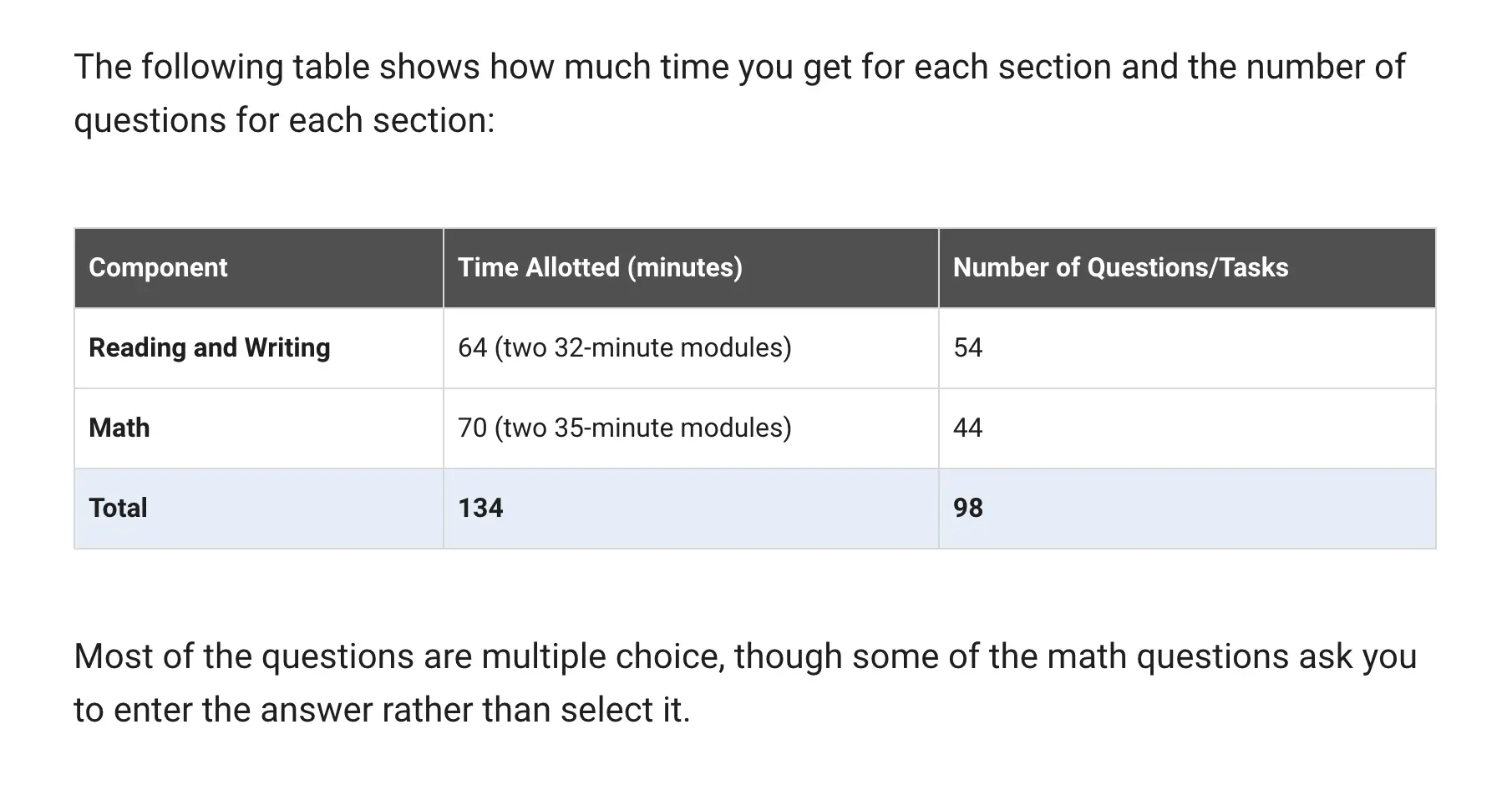
The SAT is a standardized test designed to assess high school students’ readiness for college-level work. It measures critical skills in math, reading, and writing—all essential for academic success in college. Having a solid study strategy really does make a difference — it’s one of the biggest factors in how well students perform on test day and how strong their applications look.
Canadian students are allowed to take the SAT. However, this test is mainly necessary for admission to colleges and universities located in the United States. If you're planning to study in the U.S. after graduating, it's crucial to check the admission requirements of the schools you're interested in. Six of eight Ivy League schools require test scores for the 2026-27 cycle, making it a necessary step in your application process. Some Canadian universities also accept SAT scores as a supplement to a regular transcript, especially for American students looking to study in Canada. Even if the SAT isn’t mandatory, it can serve as a valuable benchmark for your literacy and numeracy skills.
A strong SAT score gives Canadian students a recognized credential that many U.S. colleges — and even some Canadian universities — will take seriously when reviewing your application. Wherever you're hoping to study — whether in the U.S. or here in Canada — understanding how the SAT is structured and preparing well can only work in your favour.
Registering for the SAT in Canada
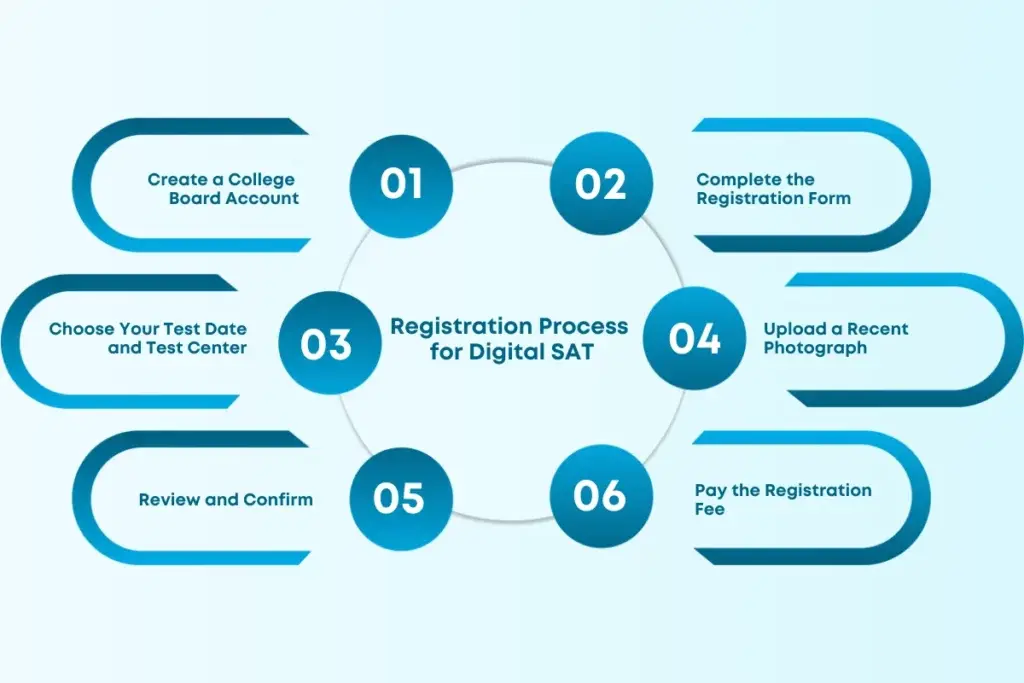
Registering for the SAT in Canada involves a few straightforward steps, all of which can be initiated online through the College Board’s website. Registration windows and test dates are set annually by the College Board. Check the College Board's SAT dates and deadlines page for the current testing calendar and to secure your preferred date early.
The process involves creating a College Board account, selecting a test date, finding a test center, and completing the registration and payment steps.
Creating Your College Board Account
To start the registration process, you’ll need to create an account on the College Board website. This involves providing personal information such as your name, email, and date of birth.
Having a College Board account not only allows you to register for the SAT but also gives you access to valuable resources and updates related to the exam.
Selecting a Test Date
Choosing the right test date is crucial for your preparation and application timeline. The SAT is offered multiple times throughout the year, giving you various options to select a date that fits your schedule. Registration windows and test dates are set annually by the College Board. Check the College Board's SAT dates and deadlines page for the current testing calendar and to secure your preferred date early. It’s advisable to register early to secure your preferred date and avoid any last-minute stress.
When selecting a test date, consider your academic workload and other commitments. Plan to take the SAT when you have ample time to prepare and are not overloaded with other exams or projects. This strategic planning can make a significant difference in your performance and overall SAT score.
Finding a Test Center
The College Board provides an online tool to help you locate SAT online test centers based on your geographical area. This SAT Location Finder allows you to see available test centers by entering your location, ensuring you choose a convenient and accessible site.
It’s essential to verify your test center details before finalizing your registration. Choosing the wrong test centre can result in a change fee charged by the College Board—check the College Board's current fee schedule for the exact amount in USD before finalizing your registration.
Completing Registration and Payment
To complete your SAT registration, you’ll need to fill out the registration form and pay the exam fee. Fee waivers are available for eligible students, so check if you qualify for this benefit. Payment can be made using various methods, including credit cards or other online payment options.
Be mindful of registration deadlines to avoid additional late fees. Missing these deadlines can complicate your registration process and increase costs, so mark important dates on your calendar and complete the registration promptly.
Preparing for the SAT
Effective preparation is key to achieving a high SAT score. Understanding the SAT’s structure and format can significantly reduce stress and improve performance. The College Board offers a range of practice tests and resources to help you familiarize yourself with the exam.
Using a mix of resources — from online practice tools to working with a tutor — can help you feel more prepared and confident going into test day. Test-taking strategies, particularly time management, are also crucial components of effective SAT preparation.
Online Practice Tests
Accessing official SAT practice materials is essential for simulating test conditions and improving your skills. The College Board collaborates with Khan Academy. Together, they offer free online SAT practice tests and study resources.
These resources offer personalized practice that adapts to your strengths and weaknesses, making them effective tools for preparation.
Tutoring and Prep Courses
Engaging in tutoring sessions can provide personalized strategies that align with your learning style and content mastery. Tutors can help you understand the material better and develop effective test-taking strategies — dedicated prep sessions have produced 40–80 point score increases in practice.
Participating in structured prep courses led by experienced instructors can also enhance your SAT preparation. These courses offer tailored strategies and insights, often resulting in improved scores through targeted study.
Study Schedules and Tips
Creating a consistent study schedule is vital for effective SAT preparation. Allocate specific hours each week for studying, combining self-study with practice tests to enhance retention and performance. This structured approach allows you to identify weak areas and allocate focused review time effectively.
Adhering to a well-structured study schedule can lead to significant improvements in your SAT performance. Systematic review and regular practice are key to boosting your confidence and achieving a high score.
What to Bring on Test Day
Knowing what to bring on test day is crucial for a smooth experience. Ensure you have an up-to-date admission ticket and a valid photo ID for entry into the testing center. Bring pencils or pens for scratch work, even though the test is digital.
An acceptable calculator is permitted for the Math section, but sharing calculators is not allowed. If you require epinephrine auto-injectors, you can bring them without special accommodations. Eating a balanced breakfast before heading to the testing center will also help you stay focused throughout the exam.
Preparing these materials the day before your exam will help reduce stress on test day and ensure you are fully equipped.
SAT Subject Tests
SAT Subject Tests, historically known as Achievement Tests, assess knowledge in specific subjects. Unlike the general SAT examination, which evaluates overall academic aptitude, these tests focus on individual subject mastery across areas such as mathematics, sciences, and languages. They are scored on a scale of 200 to 800, similar to the general SAT.
SAT Subject Tests were typically required or recommended only by a small number of highly selective U.S. colleges, making them far less common than the general SAT. While these tests are no longer offered, understanding their historical context can provide insight into the evolution of standardized testing and its role in college admissions.
SAT Scores and Reporting
SAT scores are determined by assessing the correctness of your answers, factoring in the difficulty level of each question. For the 2026-27 testing year, the total SAT score ranges from 400 to 1600, combining scores from the Reading and Writing section and the Math section. Each section is scored between 200 and 800, contributing equally to the overall score.
Standardized specifications ensure that all test questions provide an equitable opportunity for students to showcase their skills. Understanding how SAT scores are calculated and reported can help you set realistic goals and track your progress effectively.
Alternatives to the SAT
If the SAT doesn't feel like the right fit, the ACT is another option worth considering — particularly if you're applying to U.S. colleges. Like the SAT, it's widely accepted by American institutions, so it's worth researching which test plays to your strengths.
Exploring alternative standardized tests can provide different opportunities to demonstrate your academic abilities and enhance your college applications.
SAT and Canadian University Admissions

Most Canadian universities do not require SAT scores for admission, but many will accept them as supplementary information when evaluating your application. A strong SAT score can distinguish candidates with similar academic records — 1.4 million students' scores affirmed or exceeded their high school grades — providing an edge in competitive applications. Several Canadian institutions have adopted test-optional policies, giving Canadian students applying the discretion to include their SAT scores in their applications.
High school grades are often prioritized by Canadian universities, but standardized test scores like the SAT can still enhance applications. It’s essential to check the specific admissions requirements for each university you are applying to, as policies regarding SAT scores can vary significantly.
Common Challenges and Solutions
Preparing for and taking the SAT can be stressful, with students often experiencing anxiety and logistical challenges. Thorough preparation and familiarizing yourself with the test format can alleviate test-day anxiety. Setting up a study schedule and utilizing resources like online practice tests can significantly boost your performance.
Addressing these challenges is crucial for enhancing your performance and achieving your desired SAT scores. With a clear plan and the right support in place, most of these challenges are very manageable — and you'll be in a much better position heading into test day.
Summary
In summary, understanding and preparing for the SAT is a multi-step process that requires careful planning and dedication. From registering and selecting a test date to preparing effectively and knowing what to bring on test day, each step is crucial for success.
Preparing for the SAT takes time, and it's normal to feel uncertain about where to start or how much progress you're making. Most students improve steadily when they work through the material at a pace that suits them—there is no single right timeline.
If you'd like support from a tutor who knows the Canadian student context, you can explore TutorLyft's SAT preparation options at tutorlyft.com.
























































































FAQs
Create a College Board account, select a test date from the annual calendar, find a test center using the SAT Location Finder, and complete registration with payment online. The SAT is offered multiple times throughout the year at test centers across Canada.
The SAT registration fee is set by the College Board in USD and varies by registration deadline—check the College Board's current fee schedule for exact pricing. Fee waivers are available for eligible students who qualify based on financial need.
AI language models like ChatGPT are not designed to take standardized tests and cannot replicate the test-taking conditions or demonstrate the sustained reasoning skills the SAT measures. The SAT assesses human students' college readiness through timed, proctored conditions that AI systems don't experience.
Mark Zuckerberg reportedly scored a 1600 on the SAT (under the previous 1600-point scale), though individual celebrity scores are not relevant to your own preparation strategy. Focus on your personal study plan and practice tests rather than comparing yourself to high-profile test takers.
Yes, the ACT is a widely recognized alternative to the SAT for college admissions in Canada. Many universities also consider other assessments like the Canadian Academic English Language (CAEL) test and various provincial standardized tests.
The cost of taking the SAT in Canada varies, but it typically ranges from $55 to $100 USD, depending on additional services such as late registration or changes to your test center. Be sure to check the College Board website for the most current fees.