
Canada’s labour market has been reshaped by post‑pandemic recovery, an ageing workforce and rapid technological change. The Government of British Columbia’s Labour Market Outlook projects about 1.05 million job openings in B.C. alone between 2025 and 2035, and 77 % of those roles will require some form of post‑secondary education. Similarly, Statistics Canada reports that Canadian employees aged 25 or older with a bachelor’s degree or higher earned $44.67 per hour on average in2024—about 55 % more than workers with a high‑school diploma. As we look toward 2026, certain degrees offer excellent prospects because they align with high‑growth industries such as technology, health care, engineering and environmental sustainability. Below we update TutorLyft’s list of top programs with fresh labour‑market data, typical salaries and emerging trends.
Key Takeaways
- Computer Science: Strong demand for software developers; balanced job market; median wage $56.49/hour.
- Business Administration: Versatile degree; median wage around $44.10/hour; prospects good in several provinces.
- Data Science: Interdisciplinary skills; median wage $46.15/hour; moderate growth; advanced degrees often required.
- Nursing: High demand and strong risk of shortage; median wage $43.27/hour.
- Mechanical Engineering: Median wage $45.67/hour; moderate outlook.
- Electrical Engineering: Median wage $50.67/hour; moderate prospects; essential for renewable energy.
- Actuarial Science: Median wage $51.00/hour; balanced labour market.
- Environmental Science: Salaries around $83,424/year; roles require degrees and often certification.
- Medicine: Highest earnings among listed degrees; median income $232,227/year; very good job prospects.
- Mining Engineering: Median wage $60.00/hour; balanced labour market; prospects vary by province
Computer Science
Computer science programs teach students to build and analyse software, manage databases, design operating systems and apply algorithms. These courses now regularly include artificial intelligence, machine learning and cyber‑security, preparing graduates for roles ranging from full‑stack developer to cloud architect. Canada’s tech sector remains robust; Randstad notes that demand for digital expertise continues to grow as companies transform their operations
Job prospects & salary: Job Bank data for software engineers show national hourly wages of $35.00–$91.35, with a median of $56.49/hour. The employment outlook is moderate across most provinces; the Canadian Occupational Projections System expects labour supply and demand to be broadly balanced during 2024‑2033. Graduates typically work in software development, mobile applications, game development, QA testing and cyber‑security.
Business Administration

Business degrees cover finance, marketing, operations, human resources and strategic planning. Many programs integrate data analytics and digital marketing to help students navigate an economy where e‑commerce and remote work are the norm. Graduates can pursue careers as financial analysts, marketing managers, project managers or entrepreneurs.
Job prospects & salary: The Job Bank reports that business management consultants earn between $27 and $69.71 per hour, with a median wage around $44.10. Employment prospects are good in Alberta, Manitoba and Saskatchewan and moderate in many other provinces, with labour supply and demand expected to remain balanced through 2024‑2033. The versatility of a business degree allows graduates to pivot into emerging sectors such as technology, sustainable finance and healthcare management.
Data Science
Data science is an interdisciplinary field that blends statistics, computer programming and domain knowledge to extract insights from large datasets. Students learn to use Python, R, machine‑learning algorithms and cloud platforms. Canadian employers increasingly rely on data scientists to inform business decisions, and the federal government has launched open‑data initiatives that create new opportunities for analysis.
Job prospects & salary: Job Bank wage data show that data scientists earn $30–$69.74 per hour, with a median wage of $46.15. Outlook reports suggest moderate employment growth; in Nova Scotia, for example, the 2025‑2027 outlook predicts new positions will arise mainly from growth rather than retirements and notes a high proportion of workers with graduate degrees. Graduates often work as data analysts, machine‑learning engineers, business intelligence specialists or research scientists.
Nursing

Nursing programs train students in patient care, pharmacology, pathology and public health. Canada’s ageing population and the lingering effects of the pandemic continue to drive demand for registered nurses and nurse practitioners. Many provinces are also expanding roles for nurses in remote and Indigenous communities to improve health‑care equity.
Job prospects & salary: Registered nurses and psychiatric nurses earn $30–$54.37 per hour, with a median of $43.27. Job Bank forecasts show very good prospects in most provinces and a strong risk of labour shortage nationwide during 2024‑2033. Nursing graduates can work in hospitals, long‑term‑care facilities, public‑health agencies and tele‑health services. Advanced practice nurses with master’s degrees may specialise in anesthesia, midwifery or primary care.
Mechanical Engineering
Mechanical engineering is the backbone of manufacturing, aerospace, automotive and renewable‑energy industries. Programs emphasise thermodynamics, fluid mechanics, materials science and robotics. With the rise of automation and green technology, mechanical engineers are increasingly involved in designing energy‑efficient systems and intelligent machines.
Job prospects & salary: According to Job Bank, mechanical engineers earn $30–$72.49 per hour with a median wage of $45.67. Employment prospects are moderate across most provinces and the supply–demand balance is expected to remain relatively tight over the coming decade. Graduates may work in product design, manufacturing, robotics, HVAC, automotive or aerospace sectors.
Electrical Engineering

Electrical engineering focuses on circuit design, power systems, electronics, communications and control systems. As Canada accelerates its transition to renewable energy and smart‑grid technologies, electrical engineers are essential for designing power‑distribution networks, electric‑vehicle infrastructure and industrial automation systems.
Job prospects & salary: Job Bank data show national wages for electrical engineers between $33.65 and $79.23 per hour, with a median wage of $50.67. The occupation faces a moderate risk of labour shortage—prospects are moderate in many provinces, though Ontario currently shows limited outlook. Graduates can work in power utilities, electronics manufacturing, telecommunications, renewable‑energy companies and robotics.
Actuarial Science
Actuarial science uses mathematics, statistics and financial theory to evaluate risk in insurance, pensions and investment portfolios. The program blends courses in probability, financial mathematics, economics and data analytics. Canadian insurers and consultancies value actuaries for their ability to price products and manage risk amid economic uncertainty.
Job prospects & salary: Actuaries earn $31.25–$77.33 per hour, with a median wage of $51.00. Job Bank predicts limited to moderate prospects depending on the province, but overall labour supply and demand are expected to be balanced over 2024‑2033. Many actuaries obtain professional designations (ACIA/FCIA) and work for insurance companies, pension‑consulting firms or government regulators.
Environmental Science

Environmental science programs examine ecology, climatology, geology, chemistry and policy to address challenges like climate change, pollution and biodiversity loss. Students gain practical experience through laboratory work and field studies. As governments and corporations set stricter sustainability targets, demand for professionals who can assess environmental impacts and guide compliance is rising.
Job prospects & salary: WorkBC’s labour‑market profiles, based on 2024 Job Bank data, show that public and environmental health and safety professionals earn about $24–$61.54 per hour (median $40 per hour), equivalent to roughly $83,424 per year. Biologists and related scientists—a common path for environmental science graduates—earn $26.50–$52.88 per hour (median $40 per hour). To work in this field, a bachelor’s degree in environmental studies, food science or chemistry is typically required, and some roles require certification from the Board of Canadian Registered Safety Professionals. Research positions often demand a master’s or PhD. Graduates work for environmental consulting firms, government agencies, non‑profits, resource companies and regulatory bodies.
Medicine (General Practitioners & Family Physicians)
Studying medicine involves a lengthy educational path culminating in licensure as a physician. Canadian medical schools provide rigorous training in anatomy, physiology, pathology and clinical practice, followed by residency. An ageing population, long waiting lists and increased chronic disease burden mean that physicians remain essential across urban and rural communities.
Job prospects & salary: Job Bank statistics indicate that general practitioners and family physicians earn $90,826–$435,240 per year, with a median income of about $232,227. The employment outlook is very good in most provinces and good in Ontario, British Columbia and Quebec; the occupation faces a strong risk of labour shortage in the 2024‑2033 period. Physicians may work as family doctors, emergency physicians or pursue further specialisation in areas such as dermatology, psychiatry or cardiology.
Mining and Mineral Engineering
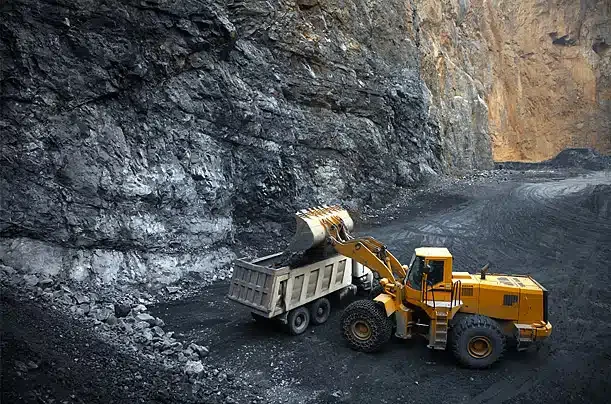
Mining engineers design mines and supervise the extraction of minerals and metals essential for modern technology—everything from lithium for batteries to copper and gold. Canadian programs teach mine design, geomechanics, rock fragmentation, ventilation and sustainability. Canada’s mining sector is significant internationally; according to Natural Resources Canada, the country produces over 60 minerals and metals, and critical‑minerals projects are receiving substantial government support.
Job prospects & salary: Job Bank data show that mining engineers earn $37.02–$115.38 per hour, with a median wage of $60.00. Outlooks vary by province: prospects are moderate in Alberta, British Columbia and Quebec, good in Saskatchewan, limited in Ontario and undetermined in some smaller jurisdictions. Over 2024‑2033, labour demand and supply are expected to remain balanced, meaning job growth should keep pace with the number of graduates. Mining engineers often work in mine planning, operations, environmental management or consulting.
Summary
Higher education remains one of the most effective pathways to stable, well‑paid employment in Canada. With the majority of future openings requiring post‑secondary credentials, choosing a degree aligned with in‑demand sectors is crucial. Fields such as computer science, data science and engineering continue to benefit from digitalisation, while nursing and medicine offer strong job security due to demographic pressures. Even specialised areas like actuarial science, environmental science and mining engineering provide rewarding careers when paired with professional certification and practical experience. As labour‑market needs evolve, universities are adapting curricula to emphasise sustainability, AI, cyber‑security and public health—ensuring that graduates in 2026 are prepared to meet Canada’s future challenges.





















































































FAQs
General practitioners and family physicians earn the highest salaries, with Job Bank data showing a median annual income of about $232,227 and potential earnings up to $435,240.
No. While the job market for software engineers is balanced, demand remains strong across industries as digital transformation accelerates.
Many entry‑level roles require a bachelor’s degree, but outlook reports highlight that a high proportion of data scientists hold master’s or doctoral degrees because advanced coursework improves prospects.
Yes. Job Bank forecasts very good prospects for registered nurses and a strong risk of labour shortage through 2033.
Graduates with a degree in mechanical engineering can delve into a multitude of exciting career paths across various industries. Within the aviation sector, they may engage in designing and optimizing aircraft systems to enhance performance and safety. In the automotive industry, mechanical engineers are pivotal in developing innovative vehicle technologies, focusing on energy efficiency and cutting-edge automation features. The automation industry offers roles in creating intelligent robotic systems that streamline manufacturing processes and improve operational efficiency. Additionally, the renewable energy sector presents opportunities for mechanical engineers to contribute to sustainable energy solutions, such as designing wind turbines and solar panels that harness natural resources effectively. The strong demand for skilled engineers in these dynamic fields ensures abundant growth potential and the chance to make a significant impact on technological advancements and environmental sustainability.
The labour market for mining engineers is expected to remain balanced nationally, with moderate to good prospects in provinces like Saskatchewan and Alberta.