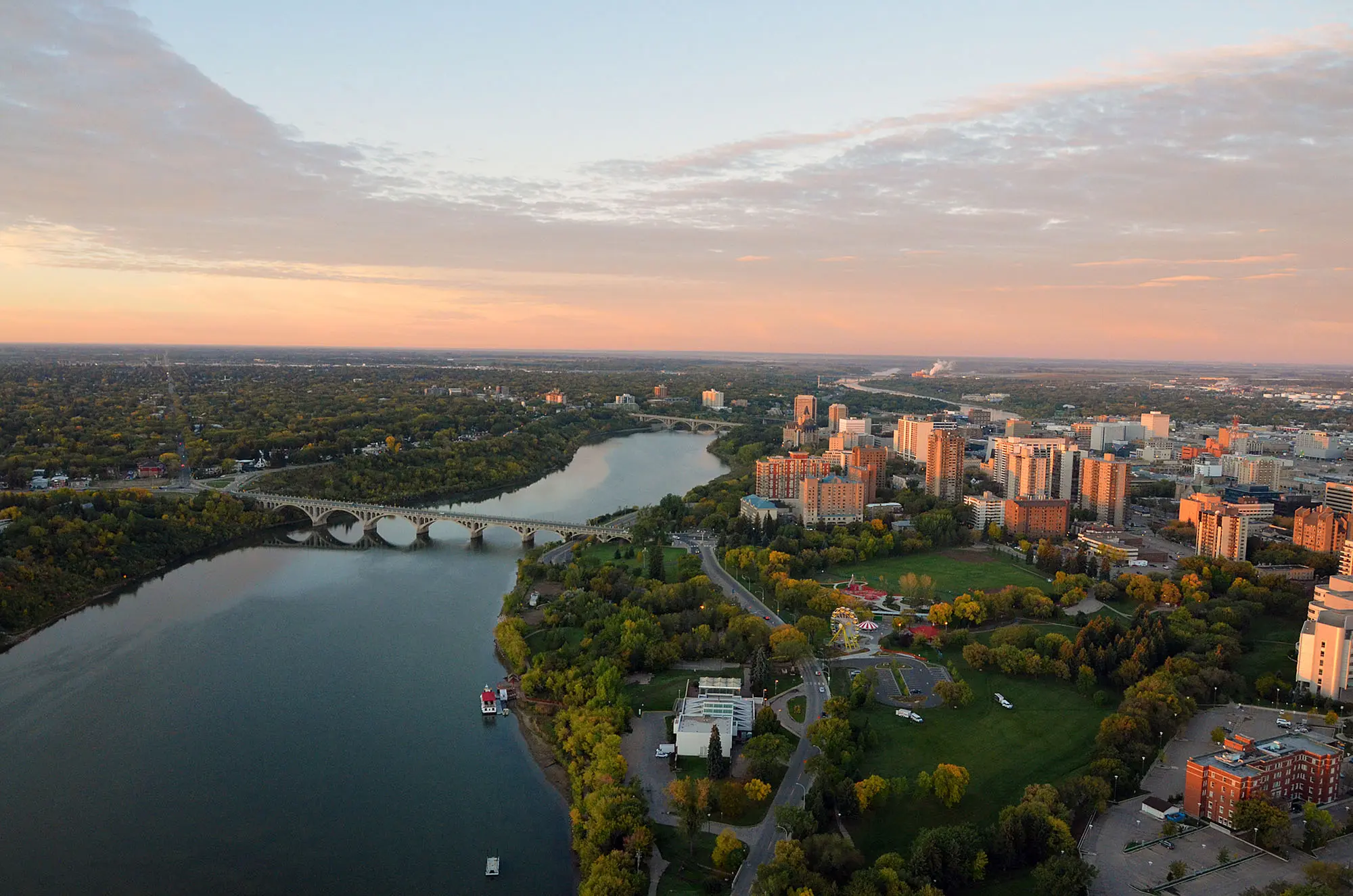
Choosing a high school in Saskatoon means weighing academic programs, location, extracurriculars, and how well a school fits your child's learning style. With strong options across both public and Catholic divisions, families often wonder which schools offer the best combination of academics, support, and specialized programs.
This guide walks you through Saskatoon's top-performing high schools, what makes each one stand out, how admissions work, and how to support your child once they're enrolled.
Which Saskatoon high schools top the 2026 rankings
Bedford Road Collegiate, Evan Hardy Collegiate, and Centennial Collegiate consistently rank among Saskatoon's strongest academic high schools. Each school serves a different part of the city and offers its own mix of programs and extracurriculars. Saskatoon's high schools fall under two main systems: the Saskatoon Public School Division (SPSD), which runs secular schools, and the Saskatoon Catholic School Division (SCSD), which integrates faith-based education.
When people talk about "rankings," they're usually looking at a few key measures: how students perform on provincial exams, how many students graduate on time, what specialized programs the school offers, and what kind of support is available for students who are struggling or learning English as an additional language.
The schools below represent strong options across Saskatoon, though the right fit for your family depends on where you live, what your child is interested in, and how they learn best.
Bedford Road Collegiate
Bedford Road Collegiate sits in central Saskatoon and has been around since 1923, which makes it one of the city's oldest high schools. The school offers French Immersion, Advanced Placement courses, and a wide range of extracurriculars, from debate teams to basketball. You'll find experienced teachers here and a student body that takes academics seriously while still being involved in school life.
Evan Hardy Collegiate
Evan Hardy Collegiate serves the south end of Saskatoon and has built a reputation for strong academics and school spirit. The school offers Advanced Placement courses and a media arts program, plus it hosts international students from around the world. Class sizes average around 30 students, which is typical for Saskatoon high schools. The blue-and-gold community here is active, with students involved in everything from sports to student government.
Centennial Collegiate
Centennial Collegiate is a newer school in northeast Saskatoon, serving one of the city's fastest-growing neighbourhoods. The building is modern, the technology is up to date, and the school's academic reputation is growing. Centennial offers trades pathways alongside traditional academics, plus strong supports for students learning English as an additional language.
Marion M. Graham Collegiate
Marion M. Graham Collegiate serves west-side Saskatoon and puts a strong emphasis on both academics and student wellness. The school offers programs in arts and athletics, plus a supportive environment for students who do better in smaller learning communities. Counselling and learning resource supports are woven into the school culture, which can make a real difference for students who benefit from extra help.
Tommy Douglas Collegiate
Tommy Douglas Collegiate focuses on trades and technical pathways alongside traditional academics, which makes it a strong fit for hands-on learners. Located in northwest Saskatoon, the school offers programs in construction, culinary arts, and technology. Students who plan to pursue a trade after high school often do well here because they can start building real skills while still in Grade 10 or 11.
How we ranked the best high schools in Saskatoon
We looked at four main factors when putting this list together. First, provincial exam performance gives you a snapshot of how well students are doing in core subjects like math, English, and science. Second, graduation rates tell you how many students finish high school on time, which reflects both the school's academic strength and how well it supports students who are struggling. Saskatchewan's provincial three-year graduation rate is 79%, providing a benchmark for comparison.
Third, we considered program variety. Does the school offer Advanced Placement courses, International Baccalaureate, French Immersion, or trades training? More options mean a better chance your child can find something that fits their strengths and interests. Fourth, we looked at student supports, which include access to counsellors, learning resource teachers, English as an Additional Language programs, and mental health services.
Special programs at Saskatoon high schools
Many Saskatoon high schools offer specialized programs that go beyond the standard Saskatchewan curriculum. You might be wondering what the difference is between these programs or whether they're worth considering for your child.
International Baccalaureate
The International Baccalaureate program (often called IB) is a rigorous academic pathway recognized by universities around the world. Students in IB take a set of advanced courses, complete independent research projects, and develop critical thinking skills that universities value. Not all Saskatoon high schools offer IB, so if you're interested in this program, you'll want to check with individual schools during the application process.
Advanced Placement
Advanced Placement courses (AP for short) let high school students take university-level classes and potentially earn post-secondary credits before they graduate. Common AP subjects include Calculus, English Literature, Biology, and Chemistry. Several Saskatoon high schools offer AP courses, though the specific subjects available vary from school to school. Taking AP courses can give students a head start on university and show admissions committees that they can handle challenging coursework, with universities like McGill granting up to 30 credits for strong AP exam scores.
French Immersion
French Immersion programs teach core subjects like math, science, and social studies in French, which helps students become bilingual by the time they graduate. Saskatoon offers French Immersion from elementary through high school, and some schools accept late-entry students in Grade 9. Being bilingual opens doors to job opportunities and post-secondary programs across Canada, especially in government where there are 67,000 bilingual jobs and international fields.
Trades and technical pathways
Trades and technical programs give students hands-on training in fields like construction, culinary arts, automotive technology, and computer programming. You learn by doing, which works well for students who find traditional classroom learning less engaging. Tommy Douglas Collegiate is particularly strong in trades education, with well-equipped shops and experienced instructors who have worked in the trades themselves.
What to look for when choosing a Saskatoon high school
Choosing a high school can feel overwhelming, especially if you're new to Saskatoon or this is your first time navigating the system. The "best" school depends on your child's learning style, interests, and where you live.
Here's what to consider:
- Academic programs: Does the school offer the courses your child wants to take? If they're interested in sciences, are there advanced options? If they want to pursue trades, does the school have those pathways?
- Location and catchment area: Most Saskatoon public schools assign students based on where they live. This assigned area is called a catchment area, and living within it guarantees your child a spot at that school.
- Extracurriculars: Sports, arts, clubs, and leadership opportunities help students connect with peers who share their interests. Some schools have strong music programs, others excel in athletics, and some offer unique clubs like robotics or debate.
- Class size and student supports: Average class sizes in Saskatoon high schools hover around 30 students. Access to counsellors, learning resource teachers, and English language supports can make a real difference, especially for students who benefit from extra help.
- School culture and values: Catholic schools integrate faith and values into daily school life, while public schools take a secular approach. Both follow the same Saskatchewan curriculum, so the academic standards and graduation requirements are identical.
Admissions guide for Saskatoon high schools
Understanding how enrollment works saves time and reduces stress, especially if you're considering a school outside your catchment area.
Local and in-catchment students
Students who live within a school's catchment area are automatically eligible to attend that school. You can register through the Saskatoon Public School Division or Saskatoon Catholic School Division websites, typically in the spring before your child starts Grade 9. Registration deadlines vary by division, so checking early gives you time to gather the documents you'll need.
Out-of-catchment applications
Applying to a school outside your catchment area is possible, but it's not guaranteed. Schools accept out-of-catchment students only if space remains after all in-catchment students have enrolled. Specialized programs like IB or French Immersion often have separate application processes with earlier deadlines, so families interested in these programs benefit from planning ahead.
International student requirements
International students aged 14 to 17 can enroll in Saskatoon Public School Division high schools. Specific schools within the division accept international students, and you'll need a valid study permit before enrollment. Families interested in this option can contact the Saskatoon International Education office for details on application timelines and fees.
High-performing schools near Saskatoon worth considering
If you live just outside Saskatoon's city limits, a couple of nearby schools offer strong academics and tight-knit communities.
Warman High School
Warman High School serves the rapidly growing community north of Saskatoon. The school has built a solid reputation for academics and student engagement, and it benefits from newer facilities as the town continues to expand.
Martensville High School
Martensville High School offers a smaller, community-focused environment with solid academic programming. Students here often appreciate the close-knit culture and the personalized attention they get from teachers and staff.
How to support your child after choosing a high school
Choosing the right school is the first step. Even students at top-performing schools sometimes struggle with coursework, time management, or preparing for university.
Here's how you can set your child up for success:
- Tutoring: One-on-one help keeps students on track or helps them get ahead in challenging subjects. TutorLyft connects Saskatoon students with vetted tutors for in-person or online sessions. Find a tutor who understands the Saskatchewan curriculum.
- Study skills and time management: High school workload increases compared to elementary school. Building routines early helps students manage stress and stay organized.
- Mental health and counselling: All SPSD and SCSD schools have counsellors on staff who support students' emotional well-being and academic planning. You can ask about these resources during enrollment or anytime throughout the school year.
Find the right school and the right support for your child
Saskatoon offers strong high school options across both public and Catholic divisions. The right choice depends on your child's learning style, interests, and where you live in the city.
If your child needs extra academic support, whether to keep up in a challenging course or to prepare for university, TutorLyft can help. Find a tutor in Saskatoon who can provide personalized, one-on-one support.























































.jpg)