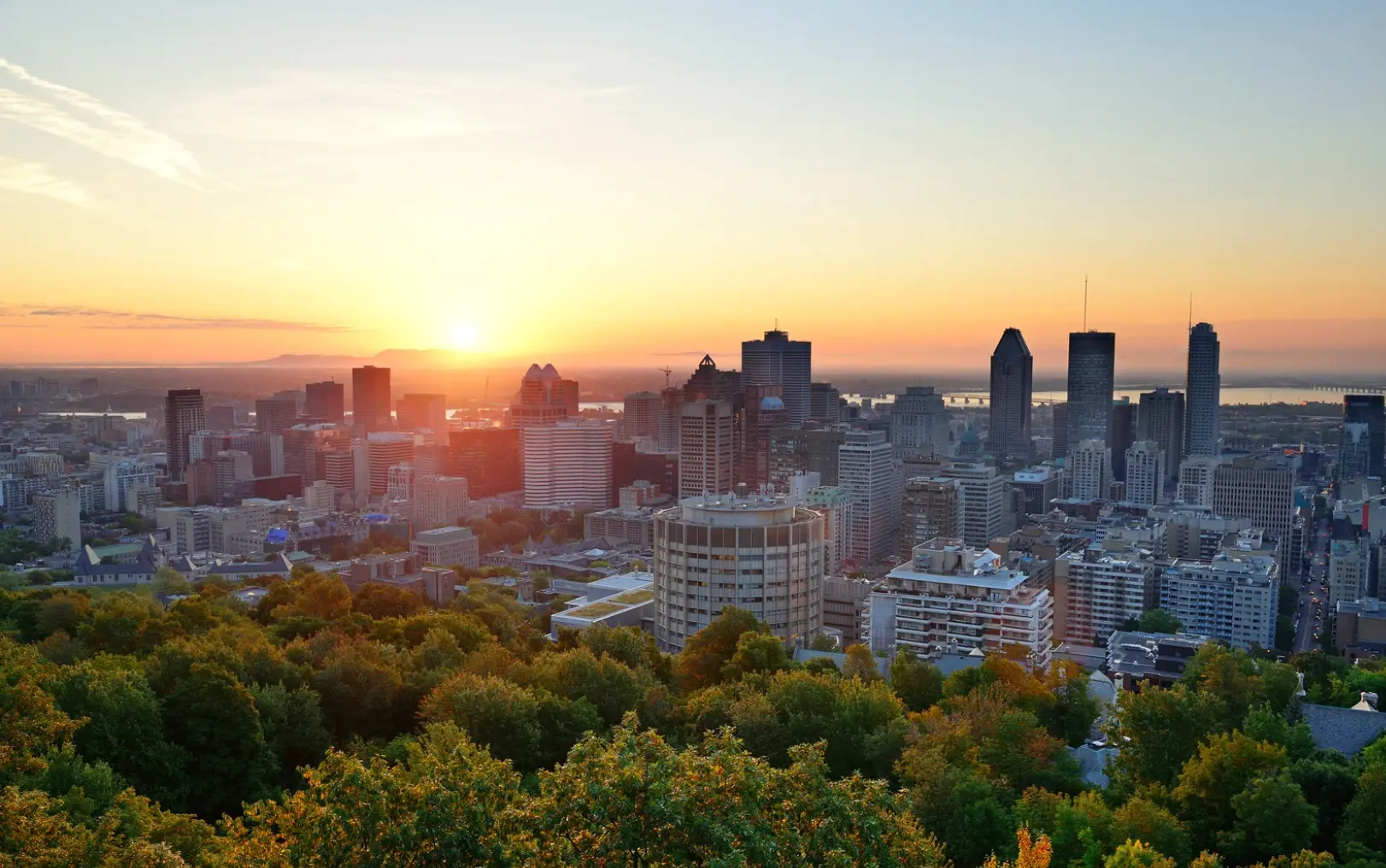
Montreal parents face a complex school system split between public and private, French and English, catchment zones and entrance exams. Choosing the right high school means weighing academic rankings, specialized programs, tuition costs, and whether your child will actually thrive in that environment.
This guide covers Montreal's top-ranked schools, how admission works, what you'll really pay beyond tuition, and how to match your family's needs with the right academic fit.
Top High Schools in Montreal Canada
Within the Canadian education system, Montreal's top high schools include private French institutions like Collège Jean-de-Brébeuf and Collège Jean-Eudes, alongside leading English schools like The Study and Royal West Academy. The Fraser Institute gives perfect 10/10 scores to several Montreal schools each year, measuring how students perform on provincewide exams in French, English, math, and science.
Royal West Academy stands out as the highest-ranked English public school, accepting students through competitive entrance exams each fall. The school draws families from across Montreal who want strong academics without private school tuition.
Royal West Academy
This English public school in Montreal West admits students based on entrance exam results, not catchment areas. Tests happen in September or October of grade 6, with admission decisions arriving by December.
Royal West consistently places in Quebec's top 20 schools overall. Graduates attend McGill, Concordia, and universities across Ontario at high rates, reflecting the school's strong academic preparation.
École Internationale De Montréal
Located in Westmount, this French school offers International Baccalaureate programs alongside Quebec's standard curriculum. IB is a two-year diploma program where students take courses across six subject areas, complete an extended essay, and log community service hours.
The school maintains Fraser Institute scores above 9.0 out of 10 year after year. Families choose École Internationale when they want rigorous French education combined with an international curriculum framework.
Lower Canada College
This private English co-ed school serves kindergarten through grade 12, with tuition ranging from approximately $20,000 to $25,000 annually. LCC maintains class sizes between 12 and 20 students throughout secondary grades.
The school emphasizes university preparation, critical thinking, and leadership development. Students have access to extensive athletics, arts programs, and community service opportunities beyond core academics.
Collège Jean-de-Brébeuf
One of Montreal's most prestigious French private schools, Brébeuf has earned perfect 10/10 Fraser Institute scores for multiple consecutive years. Located in Côte-des-Neiges, the school maintains rigorous entrance requirements and high academic standards.
Graduates attend top universities across Quebec, Ontario, and internationally. The alumni network includes prominent figures in Quebec politics, business, and culture.
Collège Sainte-Anne
This French private school integrates technology throughout its curriculum while maintaining traditional academic rigor. Sainte-Anne operates multiple campuses across Montreal, with modern facilities and comprehensive programming at the secondary level.
The school balances academics, athletics, arts, and community engagement equally. Tuition falls in the moderate range for Montreal private schools, typically lower than premium English institutions.
Best Public High Schools in Montreal Quebec
Public high schools in Montreal admit students either through catchment areas (based on where you live) or entrance exams for specialized programs. The best public options compete academically with many private schools while charging no tuition.
Parents living within a school's catchment area have guaranteed admission to that neighbourhood school. Specialized programs like International Baccalaureate or enriched streams require separate applications and testing, even if you live in the catchment zone.
West Island Standouts
Vincent Massey Collegiate in Rosemont ranks among Montreal's top English public schools, with Fraser Institute scores consistently above 8.0 out of 10. The school offers enriched programs, competitive athletics, and a community atmosphere that draws families from across the eastern suburbs.
Other West Island schools like Westwood and Beaconsfield provide solid academics with extensive extracurriculars. The area benefits from stable, family-oriented communities and typically smaller class sizes than downtown schools.
Central Montreal Leaders
Paul-Gérin-Lajoie-d'Outremont and FACE (Fine Arts Core Education) offer specialized programming in Montreal's core neighbourhoods. FACE combines arts education with academic requirements, attracting students interested in music, visual arts, or theatre.
Downtown schools often serve more diverse student populations than suburban options. However, they may face space constraints and higher student-to-teacher ratios.
South Shore Options
Collège de la Rive in Lavaltrie improved its Fraser Institute rating from 1.4 to 4.6 over six years, despite 27.5% of students having special needs requiring additional support. This improvement demonstrates that schools can strengthen academic performance regardless of student demographics or starting point.
South Shore schools typically offer more physical space and newer facilities as these communities expand. Families moving to the area often find strong community support and schools focused on continuous improvement.
Best Private High Schools in Montreal
Private school tuition in Montreal ranges from approximately $5,000 to $35,000 annually, with most secondary programs charging between $15,000 and $25,000. Families pay for smaller class sizes, specialized programs, and often more curriculum flexibility compared to public options, with private schools receiving government subsidies equal to 60% of what public schools receive per student.
English Private Schools
The Study charges $27,780 to $31,150 annually for this all-girls English school. With 36 sports programs and rigorous academics, The Study maintains an acceptance rate around 50%, making admission competitive but accessible to well-prepared students.
Miss Edgar's & Miss Cramp's School (ECS) offers another all-girls option with tuition from $25,200 to $30,765. Both schools emphasize leadership development and maintain strong university placement records.
- Loyola High School: All-boys Catholic school emphasizing Jesuit educational values
- Selwyn House School: All-boys school focusing on traditional academics and athletics
- St. George's School of Montreal: Co-ed school combining IB programming with community engagement
French Private Schools
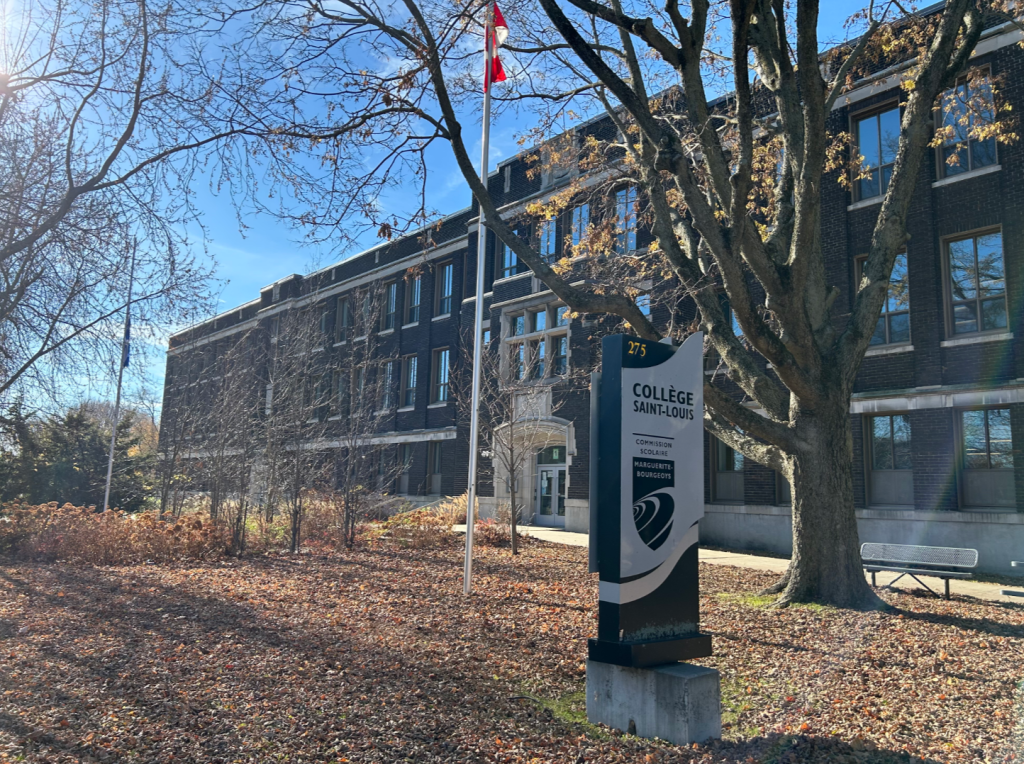
Collège Saint-Louis, Collège Jean-Eudes, and Collège Saint-Nom-de-Marie all hold perfect 10/10 Fraser Institute scores. The schools maintain rigorous entrance requirements and prepare students exceptionally well for CEGEP and university.
Tuition at top French private schools often runs lower than equivalent English institutions, typically $12,000 to $20,000 annually. This pricing makes them attractive options for francophone families seeking academic excellence at more accessible price points.
Bilingual and International Schools
St. George's School offers instruction in both English and French, with International Baccalaureate programs in upper grades. The dual-language approach appeals to families who want children fluent in both of Montreal's primary languages.
Kuper Academy and various French immersion programs provide other bilingual pathways. French immersion means students take some or all subjects in French while their primary language of instruction remains English.
How Montreal High Schools Are Ranked
The Fraser Institute publishes annual Report Cards ranking 470 secondary schools based on provincewide exam results. While rankings offer valuable insights, they capture only academic test performance, not school culture, teaching quality, or individual student fit.
Fraser Institute Scores
Schools receive ratings from 0 to 10 based on student performance on Quebec's standardized exams in French, English, math, and science. A score of 10 indicates perfect or near-perfect exam results, while scores below 5.0 suggest significant academic challenges.
The rankings also track improvement over time. École secondaire des Lacs improved from 3.7 to 7.7 over six years, demonstrating that dramatic progress happens when schools focus on effective teaching practices.
Ministry Exam Performance
Quebec requires all students to complete ministry exams in core subjects before graduating, which count for 50% of the final mark. Unlike teacher-assigned grades, which vary by school, ministry exam results provide consistent comparisons across all schools.
Schools with strong exam performance typically have well-aligned curricula and effective teaching methods. However, schools serving high percentages of students with special needs often score lower despite providing excellent support and education.
University Placement Rates
Top Montreal high schools send graduates to McGill, University of Toronto, Queen's, and international institutions. Private schools often share placement statistics during admissions tours or open houses, though public schools rarely publish detailed data.
University placement depends on student motivation, family support, and extracurricular involvement beyond high school quality alone. Still, schools with strong track records typically offer better academic preparation and guidance counselling.
Student-Teacher Ratios
Smaller ratios generally mean more individual attention, though class size matters more than overall school ratios. Most Montreal private schools maintain class sizes between 12 and 20 students, while public schools often range from 20 to 30 students per class.
Lower ratios benefit students who thrive with personalized attention. However, some students perform well in larger classes and benefit from diverse peer interactions.
Admission Paths and Key Deadlines
Private schools and specialized public programs hold entrance exams in September or October for the following school year. Public catchment schools accept students based on residence, requiring proof of address within designated geographic boundaries.
Public Catchment Registration
Families living within a school's catchment area have guaranteed admission to that neighbourhood school. Registration typically opens in February for the following September, though exact dates vary by school board.
You'll need proof of residence (lease or property deed), birth certificate, and previous school records. Some popular catchment schools fill quickly, so registering early helps secure your spot and complete paperwork on time.
Private Entrance Exams and Interviews
Private school entrance exams typically test math, French, and English, with some schools adding logic or general knowledge sections. Students sit for exams in October of grade 6, receiving admission decisions by December or January.
Many schools also conduct family interviews to assess fit between the school's values and your family's expectations. The conversation goes both ways—you're evaluating whether the school feels right while they're determining whether to offer admission.
IB and Enriched Program Tryouts
International Baccalaureate and enriched programs within public schools often require separate applications and entrance testing beyond standard catchment admission. Enriched programs offer accelerated curricula and additional academic challenges for motivated students.
Application timelines align with private school schedules—fall testing for the following year. Research specific program requirements early, as some schools require entrance exam preparation or portfolio submissions.
Tuition and Hidden Costs to Expect
Public schools in Montreal charge no tuition, though families typically pay $100-500 annually for student activity fees, field trips, and optional programs. Private schools charge tuition ranging from $5,000 to $35,000, with additional costs for uniforms, technology, trips, and extracurriculars.
Annual Tuition Ranges
- Public schools: Free tuition, with activity fees of $100-500 per year
- Affordable private schools: $5,000-15,000 annually
- Mid-range private schools: $15,000-25,000 annually
- Premium private schools: $25,000-35,000 annually
Application and Testing Fees
Private schools typically charge $50-150 for entrance exam registration, with additional application fees of $100-300. Families applying to multiple schools might spend $500-1,000 just on applications, even if your child doesn't gain admission.
Some schools waive application fees for families demonstrating financial need. Ask about fee waivers when requesting financial aid information.
Uniforms Technology and Trips
School uniforms cost $300-800 initially, with annual replacement needs adding $100-300 as children grow. Technology requirements like laptops, tablets, or specific software can add $500-1,500, though some schools include devices in tuition or offer rental programs.
Optional trips range from $200 for day excursions to $3,000+ for international travel. While optional, ski weeks and international exchanges often form important parts of school culture and student bonding.
Specialty Rankings in STEM Arts Sports
Beyond overall academic performance, some Montreal high schools excel in specific areas like science and technology, performing arts, or competitive athletics. Finding schools with strong programs in your child's areas of interest often matters more than overall rankings.
Top STEM High Schools
Royal West Academy and Vincent Massey offer enriched science and math programs, with dedicated lab facilities and teachers specializing in advanced STEM subjects. Many top-ranked schools participate in science fairs, math competitions, and robotics challenges.
Private schools often have more flexibility to offer specialized STEM electives like computer science, engineering, or advanced biology. However, motivated students at any school can access provincial science competitions and programs like Shad Canada.
Best Arts Programs
FACE (Fine Arts Core Education) combines academic education with intensive arts training in music, visual arts, dance, or theatre. Students audition for admission and spend significant class time developing artistic skills alongside traditional academics.
The Study, Trafalgar, and Miss Edgar's & Miss Cramp's offer extensive arts programming with dedicated facilities, specialized teachers, and regular performance opportunities. The schools often partner with Montreal's professional arts community, providing students with mentorship and real-world experience.
Leading Sports Academies
The Study leads Montreal private schools with 36 competitive sports programs, followed by Kuper Academy with 33 programs. The schools invest heavily in athletics facilities, coaching staff, and competitive team development.
Public schools typically offer 8-15 sports through school teams and intramural programs. While fewer than private school options, public school athletics still provide meaningful competition and skill development.
Comparing Neighbourhoods and School Catchments in Montreal Schools

Montreal's diverse neighbourhoods offer different school options, community characteristics, and lifestyle factors that influence where families choose to live. Understanding catchment boundaries helps families position themselves for access to preferred public schools.
Downtown and Plateau
Urban core schools serve diverse student populations and often feature specialized programs or alternative educational approaches. FACE and Paul-Gérin-Lajoie-d'Outremont benefit from proximity to cultural institutions, though they may have less outdoor space than suburban schools.
Families choosing downtown schools value walkability, cultural diversity, and access to Montreal's arts scenes. However, central schools often face higher student-to-teacher ratios and may have older facilities compared to newer suburban buildings.
West Island Suburbs
West Island communities offer family-friendly environments with established English schools, parks, and residential stability. Schools like Westwood, Beaconsfield, and John Rennie serve stable communities where families often stay from elementary through high school.
The West Island appeals to families seeking suburban lifestyles and larger homes. However, commuting to downtown Montreal for work means longer travel times compared to central neighbourhoods.
Laval and North Shore
Laval and communities north of Montreal feature growing populations, newer school facilities, and expanding program offerings. Schools in the area often have more physical space for athletics, arts facilities, and modern technology infrastructure.
The region attracts families seeking affordability and space while remaining accessible to Montreal. However, some schools in rapidly growing areas may face capacity challenges as neighbourhoods expand faster than school infrastructure.
Academic Support Options After You Enroll
Even students at top-ranked schools sometimes need extra help with challenging subjects or want to push beyond standard curriculum. Montreal offers extensive academic support resources, from in-school programs to professional tutoring services.
In-School Resources and Peer Help
Most Montreal high schools offer homework help periods, teacher office hours, and peer tutoring programs where older students support younger classmates. Schools also employ guidance counsellors, special education teachers, and subject specialists who work with students needing accommodations or additional support.
Taking advantage of built-in resources often resolves academic challenges before they become serious problems. Start by talking to your child's teacher or guidance counsellor about available support.
Online and In-Person Tutoring Through TutorLyft
Professional tutoring helps students prepare for entrance exams, strengthen weak subjects, or pursue enrichment beyond classroom curriculum. TutorLyft connects Montreal families with vetted tutors offering both online and in-person sessions across all subjects and grade levels.
Whether your child needs help catching up in math, preparing for private school entrance exams, or wants advanced work in a particular subject, working with an experienced tutor provides personalized support tailored to individual learning styles. Find a tutor who understands Montreal's curriculum and can help your student succeed.